
Views: 0 Author: Site Editor Publish Time: 2025-11-25 Origin: Site


LCD bus stop signs are rapidly transforming the way cities communicate with commuters, offering a blend of advertising potential and real-time passenger information. With the increasing demands of modern urban transportation systems, these digital displays are becoming an essential part of the infrastructure, enhancing both the advertising industry and the commuter experience. As cities embrace smarter, more efficient ways of delivering public information and advertising, LCD Bus Stop Signs offer a solution that benefits both transit operators and advertisers. This article explores how these signs are changing outdoor advertising and the transit experience, emphasizing their dual purpose and technological benefits.
An LCD Bus Stop Sign is a digital display that is typically mounted at bus stops and used to provide real-time information to commuters, such as bus arrival times, delays, and route updates. These signs can also display dynamic content such as advertisements, news, or weather updates, making them a versatile tool in both the public transport sector and the advertising industry.
The LCD Bus Stop Sign is characterized by its ability to present clear, bright, and dynamic content. These digital signs use Liquid Crystal Display (LCD) technology, which offers superior image quality, high brightness levels, and wide viewing angles. The typical features of these signs include:
High Brightness: Ensures readability even in direct sunlight, which is essential for outdoor applications.
Weatherproofing: Designed to withstand harsh environmental conditions, these signs are equipped with waterproof and UV-resistant coatings.
Interactivity: Some models come with touch-screen features or sensors to interact with passengers.
Traditional static signage, such as print posters or basic LED boards, offers limited flexibility and often becomes outdated quickly. In contrast, LCD Bus Stop Signs provide:
Dynamic Content: The ability to change messages or ads remotely allows for up-to-date information delivery.
Real-Time Data: These signs can display live data, such as bus schedules, delays, and other important information for commuters.
Advertising Flexibility: Unlike traditional signs, LCD bus stop displays can switch between public transport information and advertisements, maximizing revenue opportunities for transit operators and advertisers alike.
One of the most compelling aspects of LCD Bus Stop Signs is their ability to serve as both an advertising platform and a hub for passenger information. This dual role makes them an invaluable asset for both cities and advertisers.
LCD bus stop displays provide a prime location for outdoor advertising, reaching a captive audience of commuters waiting for their buses. Unlike traditional static ads, these digital displays can showcase vibrant, engaging, and interactive advertisements, increasing the effectiveness of campaigns.
Increased Exposure: Commuters are more likely to notice and engage with dynamic, digital ads compared to static print posters.
Targeted Advertising: The content on the screen can be tailored to the time of day, weather, or location, enhancing the relevance of the advertisements displayed.
While advertising is a significant function, LCD Bus Stop Signs also play a crucial role in enhancing the passenger experience. Commuters rely on these displays for accurate, real-time updates about bus schedules, delays, and other important transit information.
Real-Time Information: Commuters can check the status of their bus or receive notifications of delays, improving their overall experience and reducing wait times.
Dynamic Content: Besides transit information, these displays can also show news, weather, or local events, offering additional value to commuters.
The adoption of LCD Bus Stop Signs is being fueled by several market trends, particularly the growth of digital out-of-home (DOOH) advertising and the increasing demand for smart city infrastructure.
Digital out-of-home advertising has seen tremendous growth in recent years, driven by the ability to display dynamic content and target specific audiences. LCD Bus Stop Signs are at the forefront of this revolution, offering advertisers a prime opportunity to reach a large, engaged audience.
Targeted Advertising: With real-time data integration, these signs can adjust content to match the demographics of the people in the area, ensuring that the right ads reach the right audience.
Measurable Impact: Unlike traditional advertising methods, digital signage allows advertisers to track the performance of their campaigns in real time, providing valuable insights for future efforts.
As cities around the world strive to become "smart" by incorporating advanced technologies into their infrastructure, LCD Bus Stop Signs are a crucial component of intelligent transportation systems (ITS). These signs contribute to the overall efficiency of urban transit systems by providing real-time updates and improving the flow of information.
Enhanced Efficiency: With integrated technologies, such as GPS and IoT, these signs can be updated in real time to provide accurate transit information.
Integration with Smart Cities: As part of a larger smart city strategy, LCD Bus Stop Signs can be connected to a central network, offering municipalities a way to manage and update signage across the city efficiently.
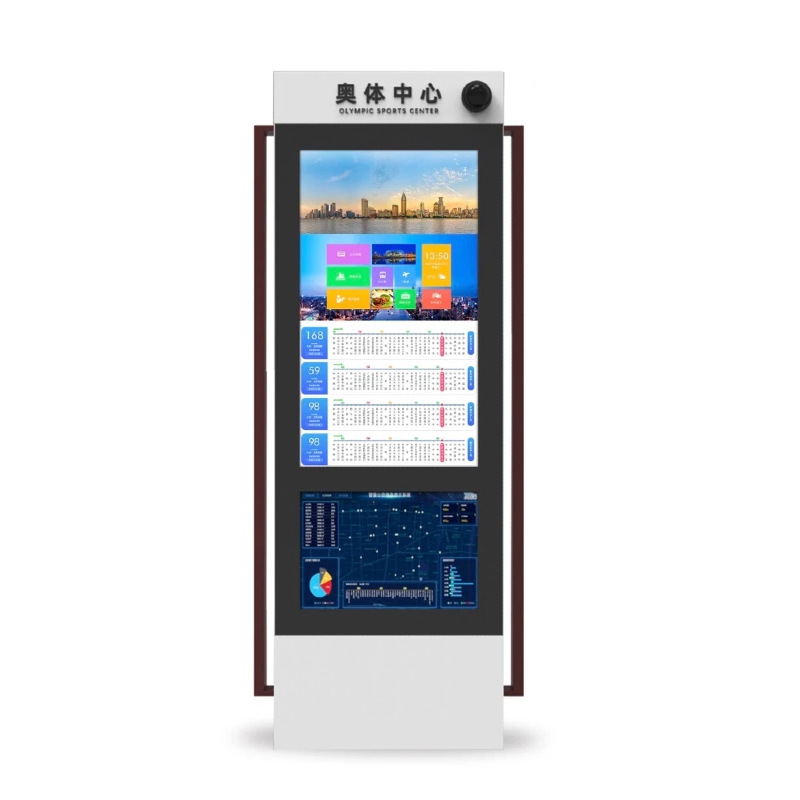
When selecting an LCD Bus Stop Sign, there are several key factors to consider to ensure the sign performs optimally and meets the needs of both the transit operator and the advertiser.
One of the most important factors to consider is the brightness of the display. Outdoor signs must be bright enough to be clearly visible even in direct sunlight. A high brightness level, typically 2,000 nits or more, is essential to ensure visibility.
Given that these signs will be exposed to the elements, they must be designed to withstand various weather conditions, including rain, wind, and extreme temperatures. A high IP rating (e.g., IP65 or higher) is crucial for protecting the internal components from moisture and dust.
The design of the LCD Bus Stop Sign should be slim and unobtrusive, especially for locations where space is limited. A floor-stand version, like the Ultra-slim floor-stand LCD Bus Stop Sign, offers easy installation without the need for complex mounting systems. This is especially beneficial for retrofitting existing bus stops or installing in new locations.
A high-quality LCD bus stop sign should allow for easy remote content management, enabling the operator to update messages, ads, and other content from a central location. This flexibility allows for real-time updates and ensures that the information displayed is always current.
Our Ultra-slim floor-stand LCD Bus Stop Sign offers several distinct advantages that make it an excellent choice for cities and advertisers looking to modernize their bus stops and optimize their advertising efforts.
The slim and compact design of our floor-stand LCD bus stop sign makes it ideal for both new installations and retrofitting existing bus stops. Its small footprint allows it to fit in areas where space is limited, while the sleek, modern design enhances the aesthetics of any location.
In addition to providing real-time transit information, our LCD bus stop signs serve as powerful advertising platforms, generating additional revenue for transit operators. With the ability to display dynamic, engaging advertisements, transit operators can maximize their revenue potential.
In a recent installation in a major urban area, our Ultra-slim floor-stand LCD Bus Stop Sign helped increase advertising revenue by 30% while also improving passenger satisfaction with real-time updates and enhanced information services.
As cities continue to modernize and seek out new ways to engage citizens, the LCD Bus Stop Sign is proving to be an essential tool for both improving transit experiences and driving advertising revenue. With its ability to serve dual purposes—dynamic advertising and real-time passenger information—this technology is rapidly becoming a must-have for urban environments.
For those looking to stay ahead of the curve in the transit and advertising industries, now is the time to invest in Floor-stand Bus Stop Digital Signage. Contact us today to learn more about how our solutions can transform your public transit systems and advertising strategies.
Q1: What is the main benefit of an LCD Bus Stop Sign over traditional signage?
A1: The primary benefit is the ability to display dynamic, real-time content such as bus schedules, delays, and targeted advertisements, making it more effective than static signage.
Q2: Can I install the LCD Bus Stop Sign in any weather conditions?
A2: Yes, our LCD Bus Stop Signs are designed to be weatherproof and can withstand a variety of outdoor conditions, including rain, snow, and intense sunlight.
Q3: How do I manage the content displayed on the LCD Bus Stop Sign?
A3: The content is managed remotely through a central system, allowing for real-time updates and easy scheduling of ads and transit information.
Q4: Is the Ultra-slim floor-stand LCD Bus Stop Sign easy to install?
A4: Yes, its slim design allows for easy installation without complex mounting systems, making it ideal for both new and retrofit installations.


