
Views: 0 Author: HOBOVAR Engineering Team Publish Time: 2026-10-29 Origin: Jiangsu Hanbang Intelligent System Integration Co., Ltd.


Quick Answer: Smart bus shelter displays survive extreme temperatures through integrated heating systems (for -40°C cold starts), active cooling with replaceable dust filters (for 55°C+ heat), and IP66-sealed enclosures that prevent moisture ingress. Unlike standard outdoor signage, transit displays require additional vibration resistance for passing bus traffic, anti-condensation glass coatings, and redundant power systems to ensure 99.5% uptime for critical public transportation information.
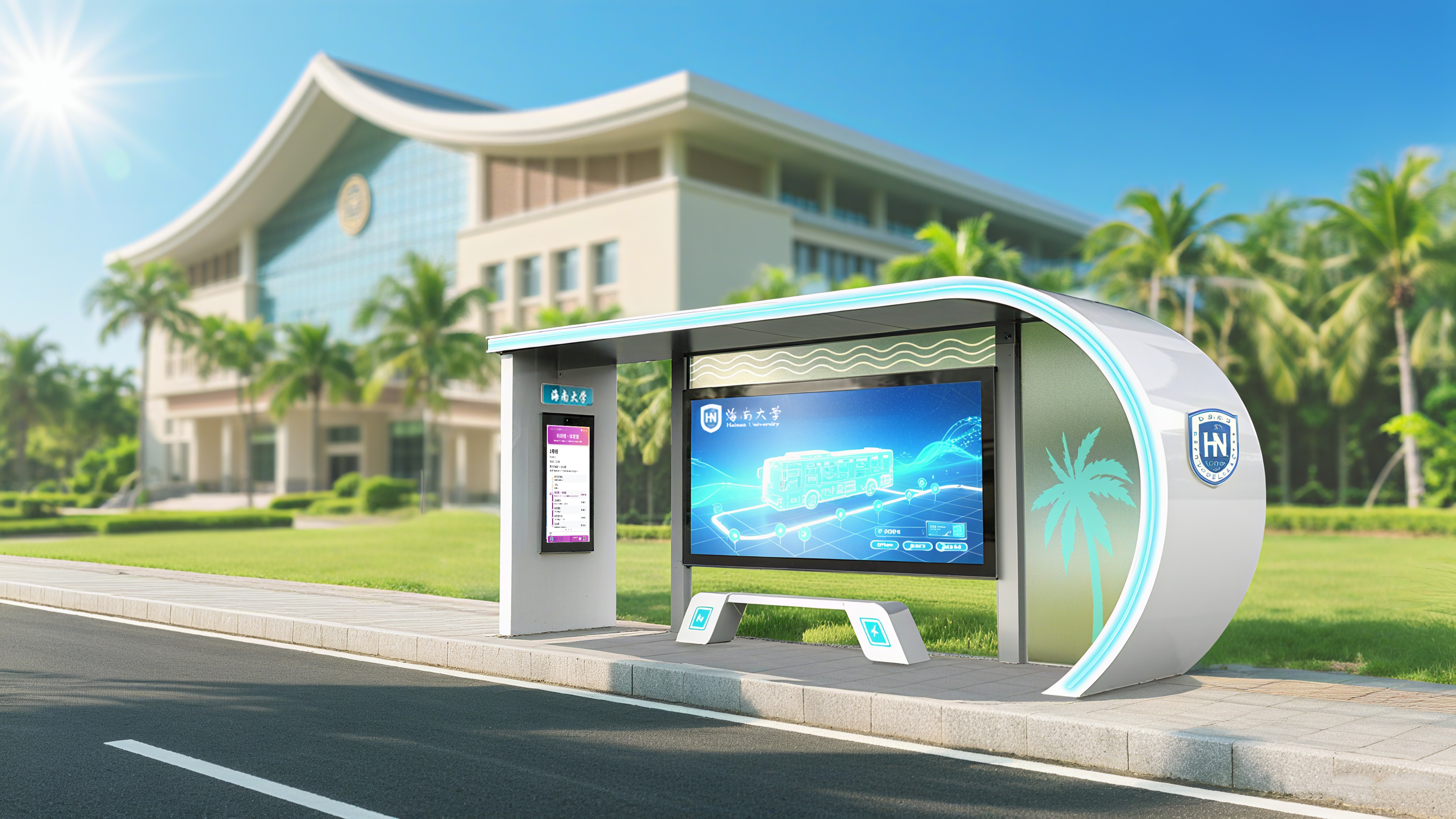
In northern Finland, temperatures drop to -35°C. In Dubai, they soar to 50°C. In both locations, passengers expect accurate bus arrival times on shelter displays—regardless of weather.
Standard commercial displays fail within months in these conditions. This case study examines the engineering solutions that enable modern bus shelter displays to operate reliably across extreme climate zones, based on HOBOVAR's deployments in 40+ countries.
The Challenge: Why Transit Displays Fail Standard Tests
Bus shelters present unique environmental stresses that exceed typical outdoor signage requirements:
Thermal Shock: Rapid temperature changes when sunlight hits snow-covered displays can cause internal condensation and component failure.
Vibration: Passing buses create constant low-frequency vibration that loosens connectors and fatigues solder joints.
Power Fluctuations: Grid instability in remote areas causes voltage spikes that damage sensitive electronics.
Vandalism: Public accessibility makes transit displays targets for impact and graffiti.
Maintenance Access: Technicians need to service units quickly without closing bus routes or using specialized lift equipment.
Solution 1: Cold Climate Engineering (-40°C to -10°C)
The Problem: LCD panels contain liquid crystal fluid that freezes below -30°C. Powering on a frozen display causes permanent panel damage and cracked glass.
Heated Transit Display Design:
Pre-Start Heating System:
- Internal heaters activate when ambient temperature drops below -10°C
- Thermostatic control maintains internal chamber at 5°C minimum before LCD activation
- Power consumption: 150-300W during heating phase, dropping to normal operation levels
Cold-Start Sequence:
1. Temperature sensor detects -20°C ambient
2. Heating elements activate for 10-15 minutes
3. Internal temperature reaches 5°C
4. System performs diagnostic check
5. Display powers on gradually (ramp-up prevents thermal shock)
Component Selection:
- Industrial-grade capacitors rated to -55°C (vs. consumer -20°C)
- Flexible PCB connections instead of rigid ribbon cables
- Cold-cranking power supplies with extended temperature electrolytics
Real-World Validation:
In Harbin, China (average January temperature: -25°C), HOBOVAR transit displays have operated continuously for three winters with zero cold-start failures.

Solution 2: High Temperature Survival (40°C to 55°C)
The Problem: Direct sunlight can push internal enclosure temperatures to 85°C+, exceeding LCD panel specifications and causing backlight degradation.
Thermal Management Architecture:
Active Cooling with Redundancy:
- Dual fan system with independent speed control
- Replaceable dust filters (cleanable monthly, replaceable quarterly)
- Fan failure alarms trigger automatic brightness reduction to prevent overheating
Heat Dissipation Design:
- Thermal conductive pads between LCD panel and aluminum backplane
- Heat pipe technology transfers heat from internal components to exterior fins
- White powder-coated exterior reflects solar radiation (reduces surface temperature by 15°C vs. dark colors)
Smart Thermal Throttling:
When internal temperature exceeds 70°C:
1. Brightness automatically reduces to 80% (still sunlight-readable)
2. Non-essential background processes pause
3. Cooling fans ramp to maximum speed
4. Alert sent to maintenance center
Dust Management:
Desert environments (Dubai, Riyadh) require:
- Positive pressure ventilation (fans blow out, preventing dust ingress)
- IP66 sealing on all external seams
- Conformal coating on circuit boards against sand abrasion

Solution 3: Moisture and Humidity Control
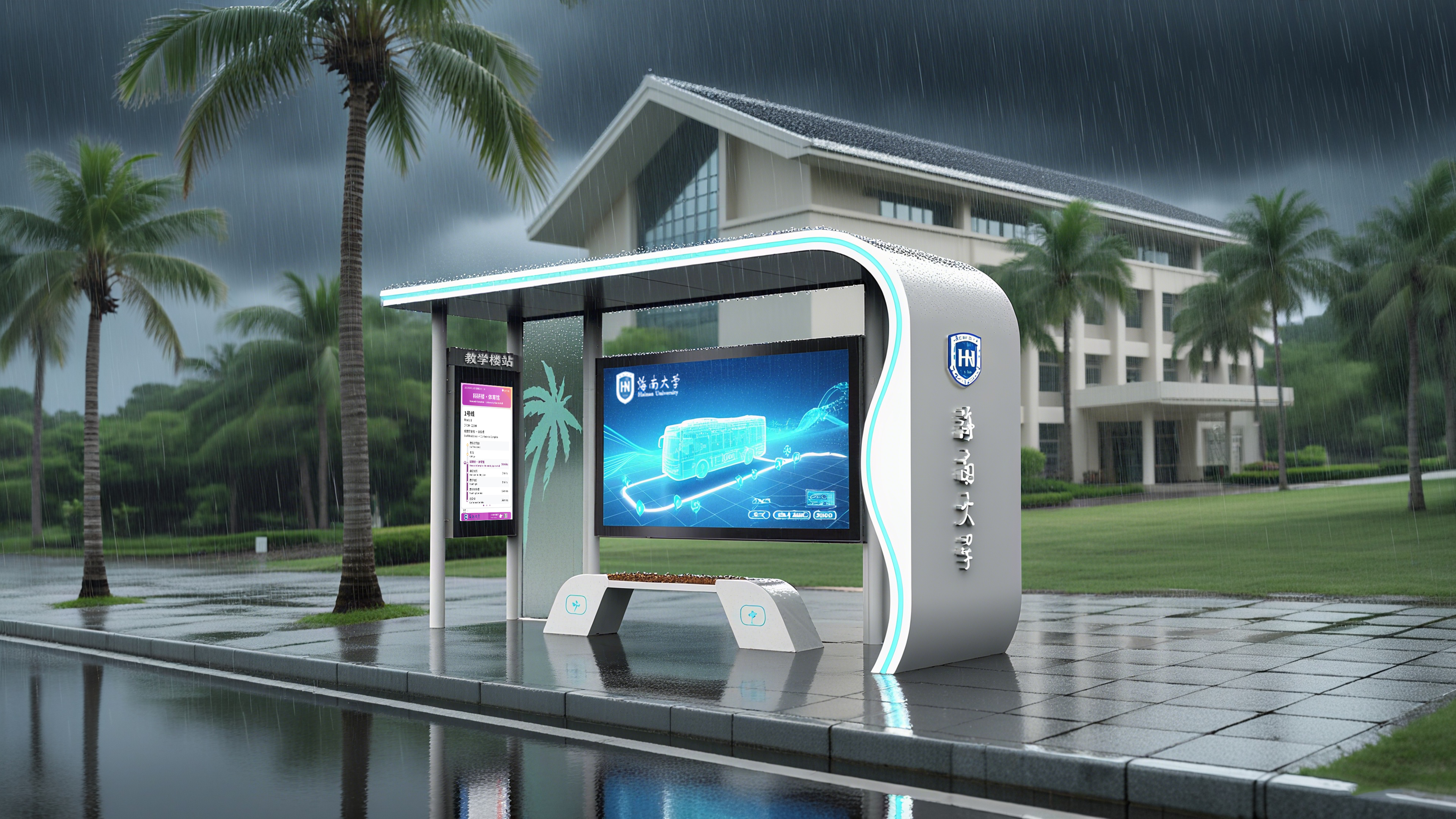
The Problem: Rain, snow, and condensation cause 60% of outdoor display failures. Temperature differentials between day/night create internal condensation even in "sealed" units.
Sealing Strategy:
IP66 Enclosure Design:
- Gasket material: EPDM rubber (UV-resistant, 10+ year lifespan)
- Compression latches maintain even pressure on gaskets
- Cable glands with silicone seals at all entry points
- Breather valves allow pressure equalization without moisture ingress
Anti-Condensation Glass:
- Heated glass option for high-humidity climates (prevents fogging)
- Anti-reflective coating reduces surface condensation formation
- Hydrophobic treatment causes water to bead and roll off
Drainage Design:
- Sloped top surfaces prevent water pooling
- Drainage channels direct condensation away from electronics
- Corrosion-resistant materials (316 stainless steel fasteners in coastal areas)
Solution 4: Vibration and Impact Resistance
The Problem: Passing buses create 5-15 Hz vibration that fatigues components over time. Vandalism attempts require impact resistance beyond standard IK10.
Structural Engineering:
Vibration Damping:
- Rubber isolation mounts between internal components and enclosure
- Locking connectors with positive retention (no friction-fit dependencies)
- Conformal coating prevents micro-cracks in solder joints from propagating
IK10+ Impact Protection:
- 6mm tempered glass (vs. 3mm standard)
- Polycarbonate inner layer prevents shattering
- Recessed mounting protects screen edges from direct impact
Graffiti Resistance:
- Anti-graffiti film (replaceable sacrificial layer)
- Chemical-resistant powder coating (removes paint without damage)

Solution 5: Power Reliability and Redundancy
The Problem: Transit displays must operate during grid failures—passengers need information during storms or emergencies.
Power System Design:
Primary Power:
- Wide voltage input (90-305V AC) handles grid fluctuations
- Surge protection (10kA) against lightning-induced spikes
- Power factor correction (>0.95) reduces electrical noise
Backup Options:
- Battery backup (4-hour minimum for emergency information)
- Solar integration with MPPT charge controllers for remote shelters
- PoE++ (Power over Ethernet) for simplified wiring with network redundancy
Remote Monitoring:
- Power consumption tracking detects failing components before breakdown
- Automatic restart after power restoration
- Battery health reporting for maintenance scheduling

Real-World Deployment: Three Climate Extremes
Case 1: Scandinavian Winter (Oslo, Norway)
Environment:
- Temperature: -25°C to 5°C
- Snow load: 50kg/m² on shelter roofs
- Daylight: 6 hours (December)
Configuration:
- 300W internal heating system
- Heated glass (prevent snow accumulation)
- High-brightness 3,000 nits (low sun angle creates glare)
Result: 99.2% uptime over two winter seasons, zero cold-start failures.
Case 2: Gulf Summer (Dubai, UAE)
Environment:
- Temperature: 45°C to 55°C ambient
- Sandstorms: quarterly
- Humidity: 80%+ coastal areas
Configuration:
- Dual-fan active cooling with dust filters
- White reflective enclosure coating
- Positive pressure ventilation
Result: 98.7% uptime, filter replacement every 3 months prevents overheating.
Case 3: Coastal Monsoon (Mumbai, India)
Environment:
- Temperature: 25°C to 38°C
- Rainfall: 2,200mm annually (June-September)
- Humidity: 75-90%
Configuration:
- IP66 with additional drainage channels
- Anti-corrosion treatment on all metals
- Conformal coated circuit boards
Result: 99.5% uptime through three monsoon seasons.
Integration: Real-Time Transit Data
GTFS (General Transit Feed Specification) Integration:
Modern bus shelter displays connect to transit authority data feeds:
Real-Time Updates:
- Bus arrival predictions (updated every 30 seconds)
- Service alerts (delays, route changes)
- Emergency notifications (override all content)
Offline Capability:
- Local storage caches schedule data for 72 hours
- Default content displays during network outages
- Automatic resynchronization when connection restores
Accessibility Features:
- High-contrast text modes for visually impaired
- Audio announcements via Bluetooth pairing
- Multi-language support (up to 8 languages)
Maintenance Best Practices for Transit Displays
Monthly:
- Clean air filters (compressed air, low pressure)
- Inspect gasket integrity
- Check drainage channels for debris
Quarterly:
- Replace air filters in dusty environments
- Test backup battery capacity
- Verify heater/cooler operation
Annually:
- Professional calibration of brightness sensors
- Torque check on all mounting hardware
- Software security updates
Cold Climate Preparation (September/October):
- Test heating elements before winter
- Apply anti-icing coating to exterior surfaces
- Verify battery performance at low temperatures

Procurement Checklist for Bus Shelter Displays
Feature | Minimum Requirement | Extreme Climate Addition |
Operating Temp | -20°C to 50°C | -40°C to 55°C with pre-heat |
Protection | IP65, IK10 | IP66, IK10+ with anti-graffiti |
Brightness | 2,500 nits | 3,000+ nits for snow glare |
Heating | Optional | Mandatory below -10°C |
Cooling | Passive | Active with dust filters |
Power Backup | Optional | 4-hour battery minimum |
Vibration | Standard mounts | Isolation dampers |
Glass | 4mm tempered | 6mm heated |
Frequently Asked Questions (FAQ)
Q: How much power does a heated bus shelter display consume in winter?
A: Heating systems draw 150-300W during warm-up (10-15 minutes), then 50-100W to maintain temperature. Annual energy costs in cold climates increase by approximately $150-300 per display compared to temperate regions.
Q: Can existing bus shelters be retrofitted with smart displays?
A: Yes, but structural assessment is required. Shelters need: (1) Load-bearing capacity for 80-120kg display, (2) Electrical supply (or solar option), (3) Network connectivity (4G/5G if no wired option).
Q: What happens if the display freezes despite heating systems?
A: Quality systems include temperature sensors that prevent power-on below -30°C. The display remains off until internal temperature reaches safe levels, preventing damage. Transit authorities receive automatic alerts.
Q: How do sandstorms affect display performance?
A: Without proper filtration, sand infiltrates and abrades internal components. IP66 sealing and positive pressure ventilation prevent ingress. Filters require monthly cleaning during sandstorm seasons.
Q: What is the expected lifespan of a bus shelter display in extreme climates?
A: 7-10 years with proper maintenance. Backlight brightness degrades to 50% after approximately 50,000 hours (5.7 years of continuous operation).

About HOBOVAR: Jiangsu Hanbang Intelligent System Integration Co., Ltd. (HOBOVAR) was founded in 2010 as a national High-Tech Enterprise and Specialized & Sophisticated SME certified by Chinese authorities. In 2025, we expanded our manufacturing capabilities with a new self-built factory, further strengthening our production capacity and quality control systems.
Company Qualifications: HOBOVAR maintains comprehensive management and R&D production systems, providing end-to-end customized commercial display products and smart city solutions. Our integrated services cover custom software development, product structural design, sheet metal processing, final assembly testing, and operational maintenance.
Business Scope: We deliver full-stack product solutions for Smart Transportation, Smart Parks, Smart Environmental Protection, and Smart Display applications, serving municipal projects and commercial clients across 40+ countries worldwide.


